



Haga clic aquí para leer una versión en inglés de esta historia
The 14th amendment grants citizenship to all born in the United States, guarantees equal protection under the law and extends civil liberties, such as voting, and the right to an education. It is a big part of our history and is still important to this day.
¨Trump argues that we have entered into a ‘new world,’” Kathryn Larson, a teacher at MCHS says, “which requires changes to the Constitution in regards to birthright citizenship. However, some constitutional analysts argue that this order directly contradicts the language of the 14th Amendment rendering the executive order unconstitutional.”
“(The executive order) is currently being discussed in the Supreme Court,” Larson mentions, “and will likely have a decision by summer as to whether or not President Trump’s executive order is constitutional and can be enacted.¨
On Jan. 20, 2025 Trump signed “Protecting the Meaning and Value of American Citizenship,” an executive order that would call for the end of birthright citizenship. “Not everyone born in the U.S. should be considered citizens,” Trump says.
Trump’s executive order says “The privilege of United States citizenship is a priceless and profound gift,” and, “the Fourteenth Amendment has never been interpreted to extend citizenship universally to everyone born within the United States. The Fourteenth Amendment has always excluded from birthright citizenship persons who were born in the United States¨
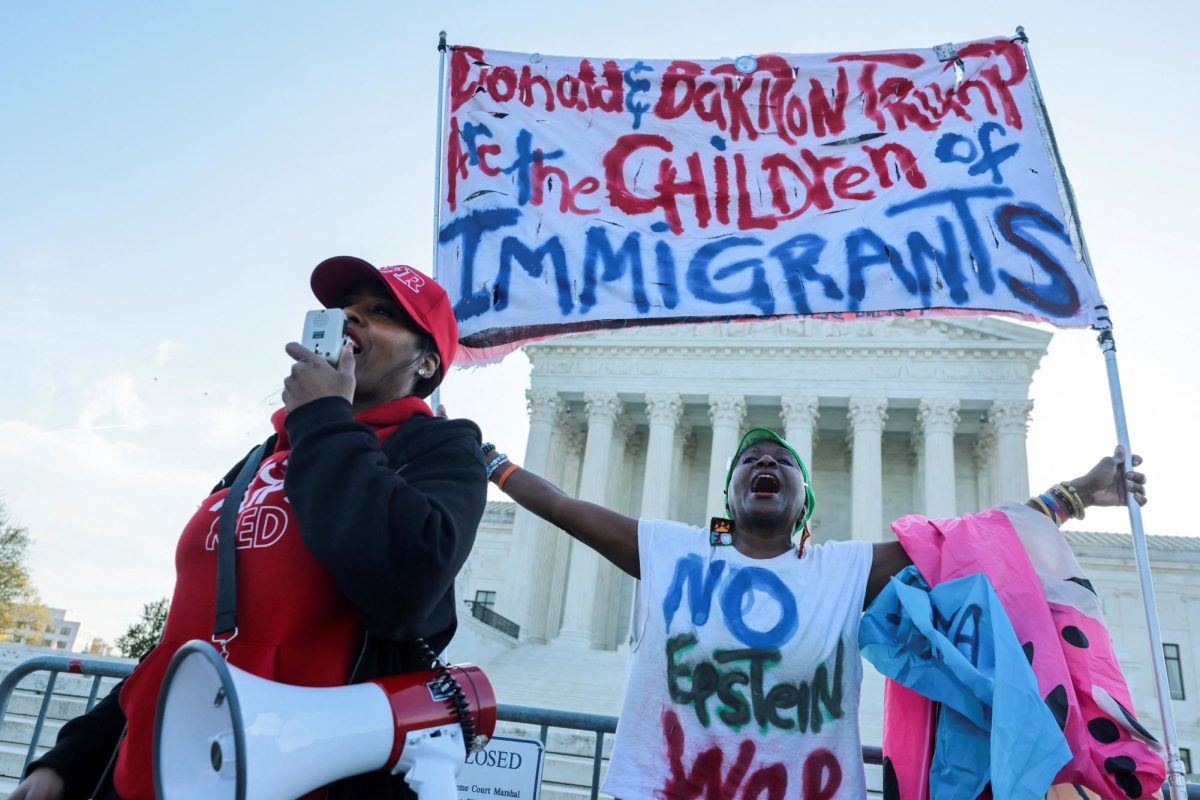
As of April 2026, the U.S supreme court is hearing a major case about the 14th amendments citizenship clause, involving a challenge to end birthright citizenship. This has caused a lot of legal and political controversy. It has also caused uncertainty, people are worried about whether babies born in the U.S to non-citizen parents would automatically be citizens, but most of all has caused public division. The issue has split opinions, with protest, political debate and disagreement over what the constitution means.