



Senior Myles Wagner enters cross country practice and joins his team in warm-ups. As they are stretching, Wagner notices one of his teammates leaves the room visibly upset. Before he can go to his teammate to see what’s wrong, his coach is already out the door checking on the student.
According to the IHSA, all coaches must either have a valid Illinois State Board Educator’s License or get a certification in Human Kinetics Coach Education, which almost two million coaches in the past four decades have earned.
At MCHS, there is additional training that coaches receive year-round, regardless of whether or not they are actually for the entire year.
Similarly to students, coaches can experience slumps of low motivation throughout the year, especially those who only coach during one season. This is why it’s important to remind coaches of the goals that they are working toward, just like they would with their students.
“The MVP process,” says Athletic Director Chris Madson, “is about figuring out what, as a coach, your mission, your vision and your core principles are.”
This initiative is somewhat new at MCHS. It forces coaches to identify the things they are striving to achieve in terms of teaching, so throughout the year, even if they aren’t always meeting directly with their team, they can continue to be reminded of what they are working toward.
These goals are specific to each coach and can be based on what they believe to be their purpose.
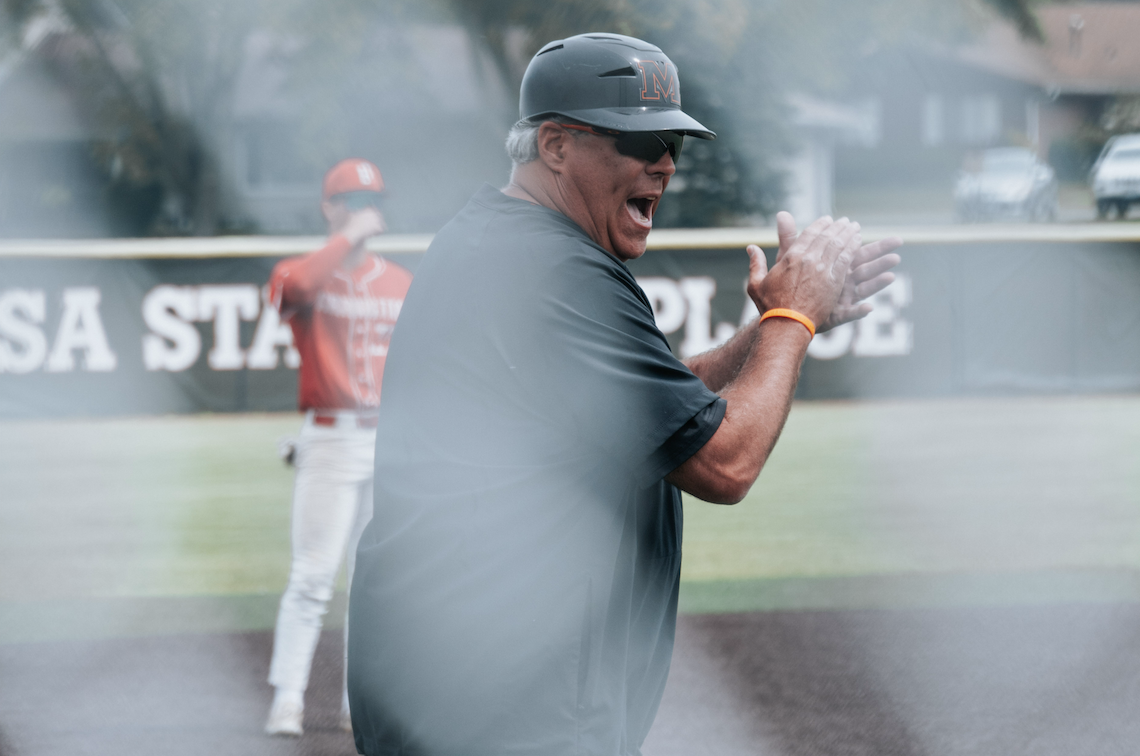
“The biggest purpose is to be a good leader,” says head varsity baseball Coach Brian Rockweiler. “Show [athletes] how to compete and how to deal with failure in sports because there is a lot of failure in sports.”
Along with this, coaches attend clinics and other training courses throughout the year to learn how they can further develop their teaching techniques in order to meet their year-long goals.
“I usually attend the Illinois High School Baseball Coaches Association Clinic every year,” says Rockweiler. “The topics range from different skills like hitting, pitching, baserunning, culture, and team building.”
One of the difficulties of being a coach is figuring out how to correct athletes in a way that they will both understand and be able to apply while still maintaining a positive attitude. Clinics can be especially helpful in showing coaches a different way of explaining these corrections since the primary speakers are very successful coaches.
“One of my favorite clinics I attended was in Indianapolis, where I listened to Augie Garrido, who was a very successful college baseball coach,” says Rockweiler. “He spoke a lot on the mental side of the game and more specifically, dealing with failure. We use a lot of the stuff he talked about today with the baseball team.”
Collaboration through these clinics drastically improves the success of both the coaches and the team as a whole, but there are still some skills that the coaches at MCHS learn from other experiences.
“So much of coaching is teaching,” says Madson, “and that’s why teachers are the best coaches, and our best coaches are usually our best teachers.”
The dynamic that a good coach has with their team is hard to achieve, but when they find it, the rest of the team knows it.
“[My coaches] are super caring,” says Wagner. “They don’t just care about how you perform the sport, but how you are developing as a person.”
The student walks back into practice, seeming less visibly stressed. Their coach follows closely behind, and when everyone is back where they should be, he explains what they’ll be working on in practice today. “Our coach really does care about our well-being,” Wagner thinks to himself, “not just our performance on the team.”