


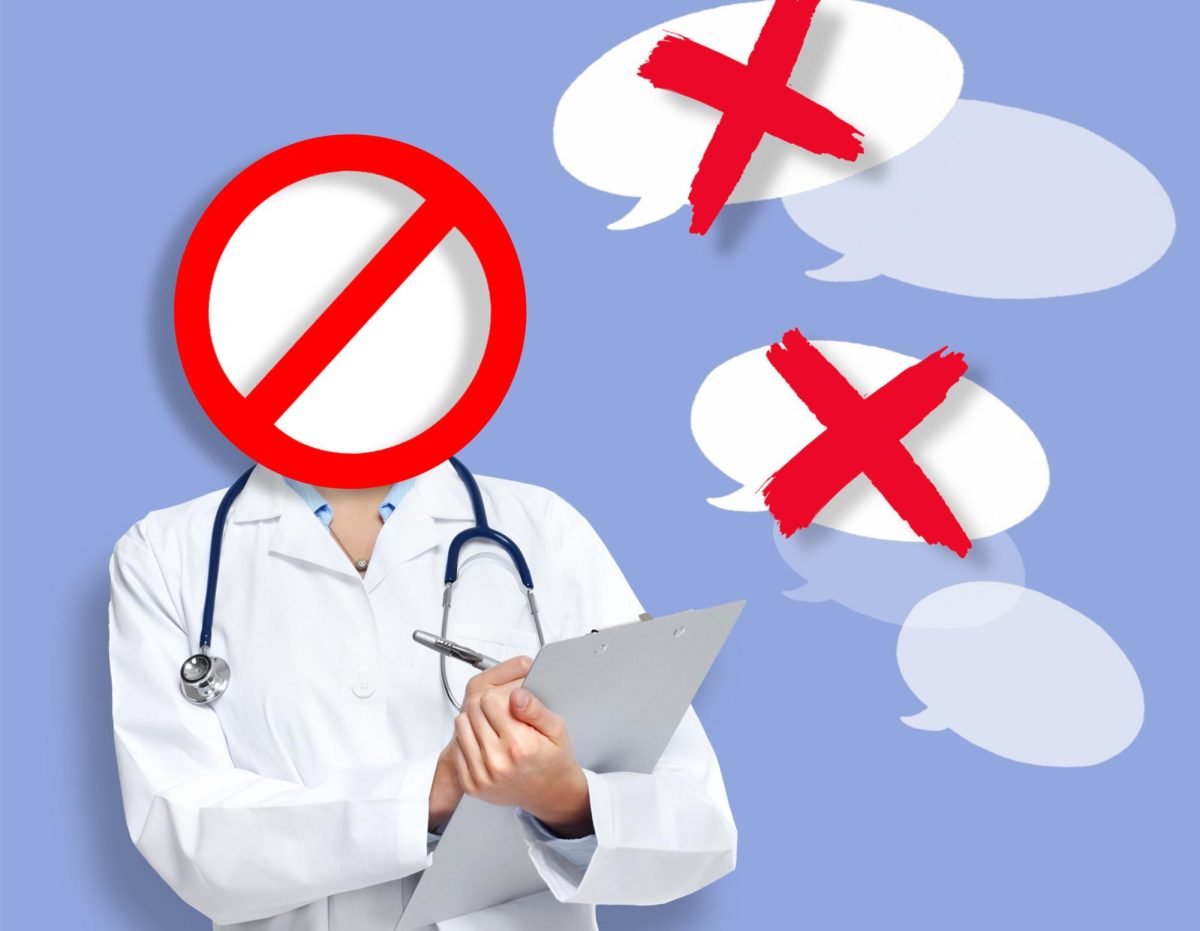

We learn about preventative medicine in the past tense. It’s always what hospitals “used” to look like, and the symptoms doctors “used” to see, but hospitals are seeing these diseases again, along with the symptoms that they haven’t seen in decades. Now, the diseases that we thought were gone are coming back, but not because these prevention methods don’t work – because people don’t want to believe they work.
According to a survey done by Gallup, the percentage of Americans that trust the healthcare system went down by 10%, from 44% to 34%. This decline happened during one of the most public scientific developments, the covid vaccine, which was hard for many Americans to trust.
It is not easy to understand everything that goes into developing a vaccine, and to the people that it is affecting, it can be understandably scary. But this resistance to new scientific developments hasn’t faded, it’s getting worse, and it is going to damage our healthcare system.
Already, patients have much less trust for their doctors, and are turning to the internet instead but are hurting themselves in the process.
“I think with the internet,” said Biomedical Science teacher Leah Pelletier, “because there’s so much information, for a lot of people it can be super overwhelming, and that’s where the misinformation comes in. And then people don’t know what to do.”
There has been a significant rise in the past few years in influencers that sell supplements or vitamins, making almost $1 billion in revenue last year alone, according to IBIS World. But these supplements are not regulated, and do not give people the benefits they claim.
Similarly, people have also turned to AI chatbots to “diagnose” them and recommend treatments, but this has its own problems. According to a study done by Mount Sinai, “AI chatbots are highly vulnerable to repeating and elaborating on false medical information.”
So these “alternatives” to the medical care and treatment that is regulated and continuously studied has the potential to injure or worsen existing injuries in the people using them.
“We’ve created a society where people don’t value professionals,” said Pelletier, “or they don’t trust them for different reasons.”
Along with this, people are becoming more passive with maintaining their health by skipping check ups, vaccines and screenings because they are being severely misinformed by the media. This puts millions of people in danger. The young, the sick and the elderly – all people who have a higher susceptibility to, and more severe reactions from common illnesses such as the flu, that can be easily prevented.
On top of that, there have been major funding cuts in scientific research. One example of these cuts has been the retraction of $500 million for vaccine research, according to the American Lung Association.
But this is just one example. This doesn’t include the millions of dollars that the National Institute of Health has lost or the hundreds of clinical trials that have been cancelled in the process. This alone has the power to damage millions of lives. There are real, living people relying on this research to help save their lives or the lives of people they know, but instead money keeps getting taken away from one of the most important institutions in America.
What are they supposed to do now?
Many politicians and other people of power often claim that preventative care will only do more harm to patients, and while there may be certain risks associated with it, they are not to the extent that is being described. This type of language from those in authoritarian positions give people just another reason to not trust their doctors.
“If somebody’s going to come fix my furnace,” said Pelletier, “I trust that I have no idea. I’m not going to be over there Googling every step that they’re doing, researching on my own, and then doubting them. I’m going to trust the person who does this every day, who went to school for it, who knows how to do this.”
The same is true for the doctors and researchers that many seem to be doubting. Before we continue to jump to conclusions about what healthcare should look like, listen to the doctor. Let them explain the importance of a clinical trial or the progress that has come from a vaccine because they are the ones with the degree, and they know more than they are given credit for.