



The American Flag: red, white and blue; 50 stars; 13 stripes. It stands tall in the sky almost anywhere you go as a universal symbol for the country’s freedom. What would happen if it were taken down? There would be outrage and uproar as people fight for their right to represent the bravery of those that fought for the flag.
This exact same scenario is happening to different marginalized groups across the U.S.
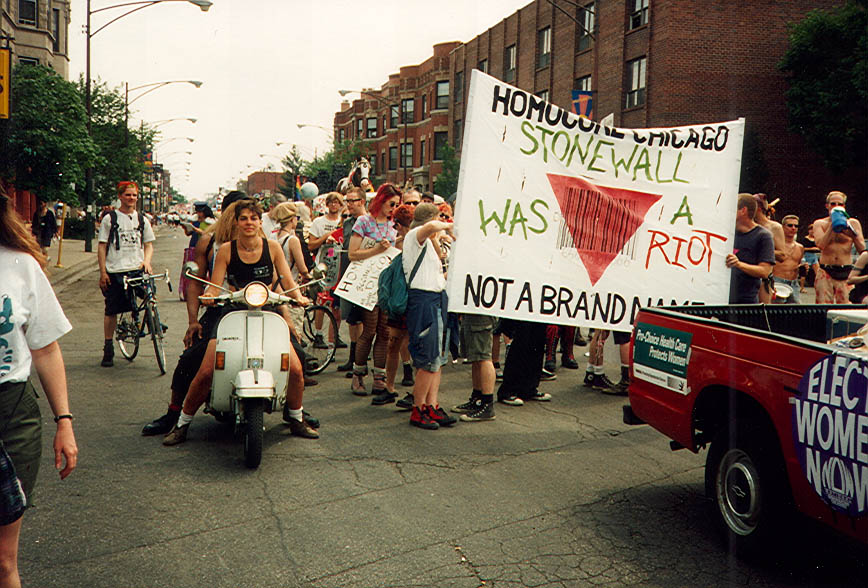
The Department of the Interior is responsible for protecting and managing, “the Nation’s natural resources and cultural heritage,” however on March 27, 2025, they enacted an executive order titled, “Restoring Truth and Sanity to American History,” and it does anything but that.
This executive order states that the Department of the Interior is allowed to take down any monuments they believe, “perpetuate a false reconstruction of American history, inappropriately minimize the value of certain historical events or figures, or include any other improper partisan ideology.”
But this is not what is happening. Instead, this is an excuse for the sanitization and whitewashing of American history.
This order is rewriting history from a one sided perspective that discounts anything other than the traditional American point of view. This is the idea that the persecution marginalized groups faced in the past should not be focused on because it would undermine the victories the US had.
But this viewpoint is simply false.
The Organization of American Historians responded to this executive order saying, “‘Restoring Truth and Sanity to American History,’ represents a disturbing attack on core institutions and the public presentation of history, and indeed on historians and history itself.”
We cannot deny that these things happened. We cannot deny the racism, misogyny or poverty that people were put into, but we can learn from them. That is the purpose of having monuments that portray colonialism or slavery – to learn from the wrongdoings that our ancestors made.
By removing these monuments under the guise of restoring truth to history, it opens doors to forget the most important parts of history and ignore the full image of our past, which does nothing to “reveal truth.”
This is instead backtracking decades of progress that the study of history has made to acknowledge what these marginalized groups faced.
“History has changed in how we’ve taught it in the last 20 years, if not more recently,” social science teacher Anthony Powe says. “Historians have identified areas and groups of people that haven’t been represented in that narrative.”
Historians are finally talking about the things that were once considered taboo, but it took decades to get to this point. And now that we are finally here, people want to take what we know to be the objective truth away in order to glorify the past.
Students at MCHS don’t want to learn about history from this outdated perspective, they want to know everything that happened, both the good and the bad. And even teenagers can see the effects that removing these monuments will have.
“Removing these monuments is just dangerous,” junior Ray Ricchio says, “it shows that these things can be forgotten or overlooked.”
This executive order is a threat to the way we understand our past as a whole.
One of the only ways we remember marginalized groups is through the existence of these monuments. When we begin to change the narrative by cutting out the worst parts of history, it moves us further away from the truth that people so actively want to seek.
If we get rid of this, what else will we get rid of?