


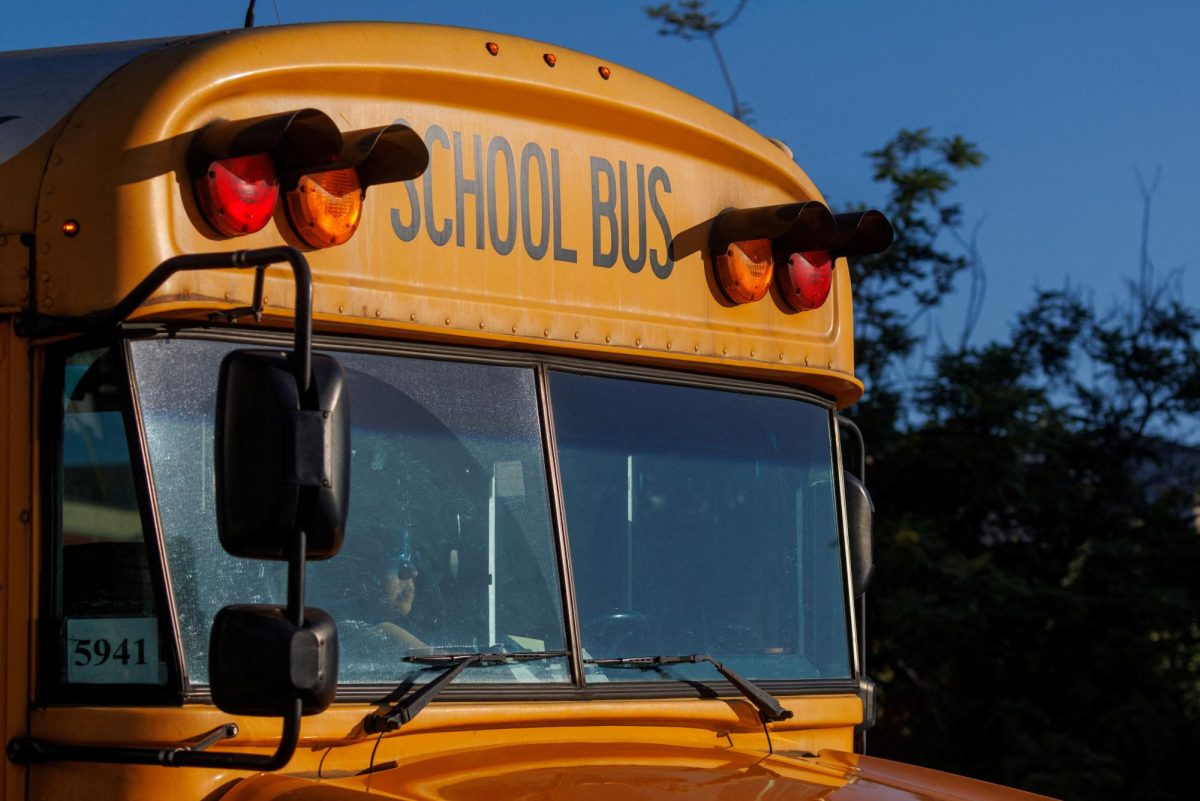

As students pile into Upper Campus before the first bell, they notice two empty school buses sitting outside the south entrance, along with kids in big groups and their teachers taking attendance. Once the first bell rings, the groups then board the buses, heading to wherever they may be going.
For many years, MCHS has been allowing classes and clubs to go on field trips that apply to the curriculum, but recently, MCHS has been limiting the amount of field trips due to the disruption of class time during the school day. MCHS should allow more field trip opportunities for classes and clubs who don’t get to have that real life experience.
“Teachers request field trips,” Associate Principal Kyle Hobson says. “Then, if the date they choose and transportation is available, they’re allowed to go.”
Field trips not only can provide a real world experience but they can open up opportunities for students who may not know what to do beyond high school. According to Explorable Places’ staff, “When students leave the classroom, they see the connections between what is happening at school and in the ‘real-world.’”
“We keep track of where students are regarding their grades for that class and we make sure that they have the permission slip turned in,” Hobson says. “Teachers are supposed to notify staff at a minimum of one week in advance of the field trip, as well as parents.”
Going on school field trips helps increase student’s academic success by making them become more focused and interested in what they’re learning.
“Additionally, field trips are important because students are able to engage with content in a variety of ways,” explained by Explorable Places. “When they return to school, the trip that they took can serve as a touchpoint for an entire unit.
According to NEA, “The study found that regardless of gender, ethnicity or socioeconomic status, children who take school trips have better grades (59%), higher graduation rates from high school (95%) and college (63%) and greater income (12% higher annually).”
Field trips can disrupt academic time and can cause students to fall behind on assignments.
“Field trips are viewed as a privilege,” Hobson says. “So if you’re not passing your classes, you should be here in your classes and not attending the field trip.”
MCHS tries not to limit the amount of field trips throughout the school year, but there are other ways they can be done so it’s not a disruption throughout the entire building.
As the students and staff from the field trip arrive at the UC at the time of the final bell, they unboard the bus and disperse into the school parking lot. When they come back to school, every classmate is wondering why their classes don’t go on field trips like the others.
Classes at MCHS can take control on whether they should go on field trips, reassuring that it’s beneficial to its students. With this, MCHS should allow more opportunities for classes to go on field trips to further expand the student’s understanding abilities and explore more career paths.